
The Ultimate Guide to Laser Tattoo Removal Success: The “short” list of variables
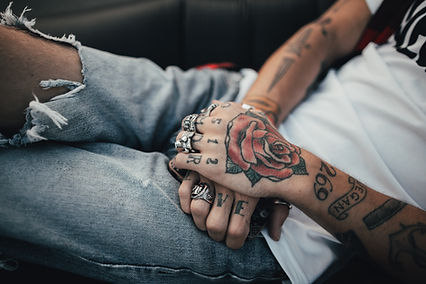
Most asked question- How many sessions will my tattoo take to remove? As much as we wish that were an easy question achieving great results involves more than just zapping away the ink. A range of variables impact how well the process works. From skin type and ink color to the laser technology used, each factor plays a role in determining the speed, effectiveness, and comfort of your tattoo removal journey. We'll break down the essential elements that contribute to successful tattoo removal so you can make informed decisions and set realistic expectations for your treatment.
We have compiled a short list of variables that are as unique as you are, each playing a crucial role in your tattoo removal journey.
⚡️Tattoo Color: Different ink colors respond differently to laser treatment. Black ink is usually the easiest to remove, while colors like green and blue can be more stubborn.
⚡️Tattoo Age: Older tattoos may fade more quickly than newer ones.
⚡️Tattoo Depth: How deep the ink is in the skin affects removal; professional tattoos are typically deeper than amateur ones.
⚡️Ink Type: The chemical composition of the ink can impact removal effectiveness.
⚡️Location on Body: Areas with better circulation respond better than areas further from the heart.
⚡️Tattoo Layering: Cover-up tattoos may have multiple layers of ink, making removal more complex.
⚡️Tattoo Size: Larger tattoos may require to be divided into sections. The sections are rotated each session. This also reduces the burden on your immune system when healing.
⚡️Aftercare: Proper post-treatment care is vital for healing and effectiveness.
⚡️Skin Sensitivity: Skin sensitivity can affect how skin responds to laser treatment and how aggressive the treatment is.
⚡️Immune System: Your immune response plays a role in breaking down and clearing away ink particles after treatment.
⚡️Smoking: Smoking can slow down the removal process if you need a reason to quit!
⚡️Exercise: Regular exercise can help with circulation and increase blood flow to the area. Remember proper aftercare!
⚡️Alcohol Consumption: Dehydration from alcohol use can slow down the healing process.
⚡️Medications: Certain medications can impact skin sensitivity and healing. Antibiotics, NSAID pain relievers, antifungals, and retinoids can increase photosensitivity.
⚡️Treatment Intervals: The time between sessions can affect the outcome; typically, 6-8 weeks is recommended.
These are some of the reasons why we recommend a single treatment first to establish a baseline to estimate the number of sessions.
We offer single session pricing as well as package pricing for whatever works best for your budget.
⚡️⚡️If you have any questions, feel free to message us.


Comments